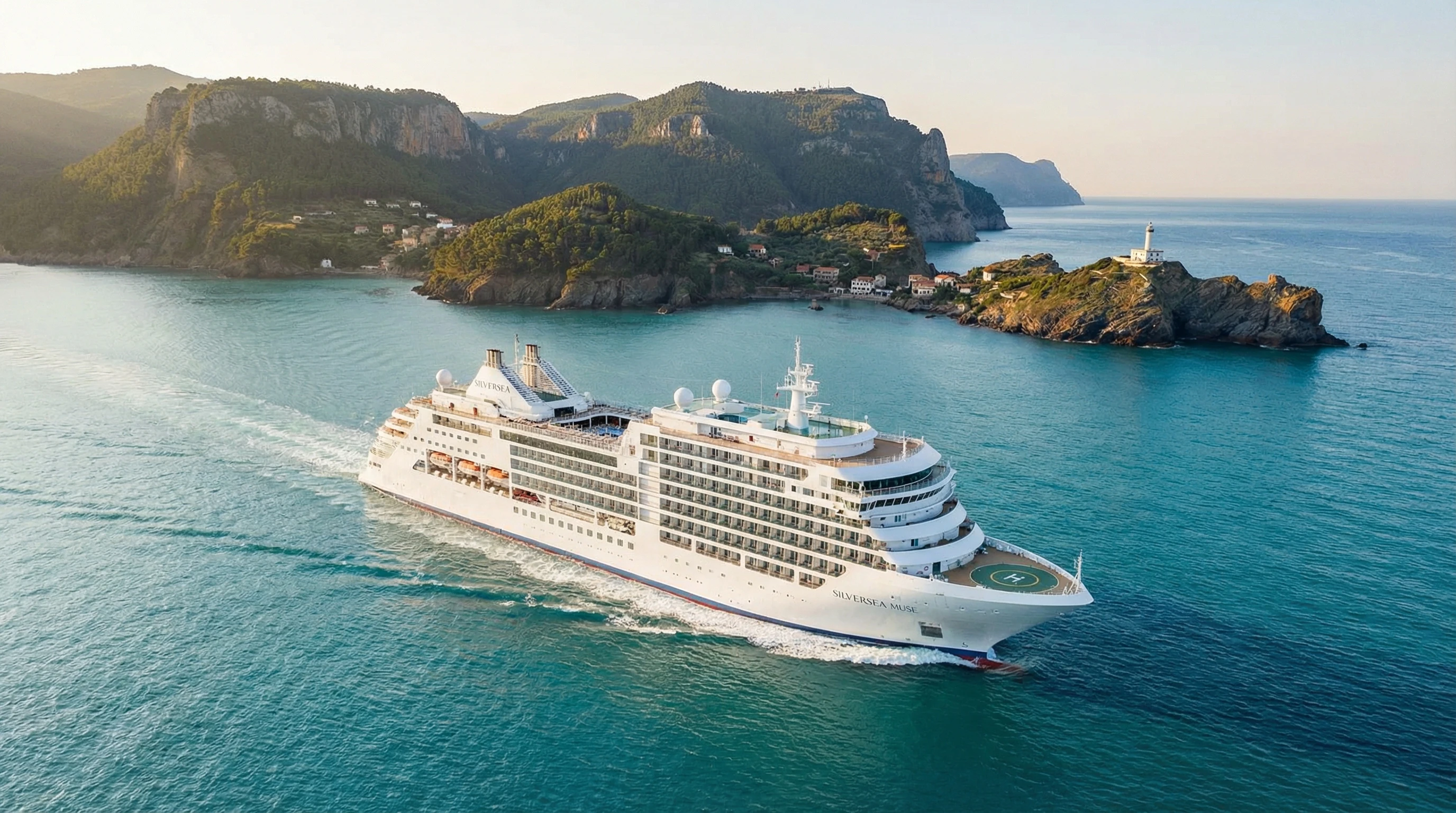
I’ve always found that filming boats and capturing the thrill on the water comes with a unique set of challenges and rewards. As someone passionate about both boats and cameras, I know how important it is to understand practical boat filming techniques, pick the right gear, and plan for the unpredictable nature of wind, waves, and movement. If you’re eager to learn how to film boat adventures, what filming techniques work best for sailing enthusiasts, and how to make the most out of locations for boat lovers, my experience and research can help you get started.

Key Equipment for Boat Filming
The foundation for filming any boat adventure begins with equipment that’s both reliable and suited for life on the water. Working around moisture, glare, and constant motion means you need to take extra care in your choices. Here’s a look at the tools I always recommend for anyone interested in boat filming techniques:
- Action Cameras: Compact, waterproof models like GoPro or DJI Osmo Action are perfect because they’re tough, easy to mount, and offer steady footage.
- Stabilizers: Whether it’s a handheld gimbal for your phone or a camera rig with built-in stabilization, this gear keeps your footage smoother, especially when boats rock or waves hit.
- Drones: Aerial shots from drones add a whole new perspective. Just make sure your drone has proper wind resistance and GPS return in case of signal loss over water.
- Polarizing Filters: These lenses reduce glare from sunlight reflecting off water, helping you capture vibrant, clear views even on a bright day.
- Microphones and Wind Protection: On-water audio is tough, but a good shotgun mic or digital recorder, paired with windshields, helps reduce harsh noise.
- Protective Bags and Float Straps: Waterproof cases and floating straps can save your camera if it slips into the water.
Besides these essentials, consider a few more items that make it easy to film confidently. Portable solar chargers will help you stay out longer, and a multiuse cleaning kit keeps your lenses and screens pristine during all-day sessions. If you film with a partner or teammate, invest in wireless intercoms so you can communicate clearly without shouting. Extra memory cards and organizing pouches speed things up when you’re swapping equipment mid-shoot.
Understanding Boat-Specific Filming Challenges
Boat filming throws more obstacles in your path than filming on steady land. Movement is unpredictable, water can cause focusing issues, and bright sun or fast-changing weather can mess up your footage. By acknowledging these challenges upfront, you can adjust your filming techniques for sailing enthusiasts and make your shoot smoother.
For example, the constant motion can lead to shaky video or blurred images. That’s where stabilizers matter. Salt water and spray can damage gear, so weather-sealed cameras or marine housing help a lot. Light bounces off the water, washing out your image. Polarizers fix this, as well as careful attention to what time of day you’re filming. Planning ahead, packing the right lens cloths, carrying spares, batteries, and backup gear all matter.
Fast action often requires you to anticipate shots before they unfold. Learning to spot wind gusts, changing wave patterns, or shifts in race positions helps you catch the action as it happens, not after the fact. Keep your eyes on the horizon to avoid motion sickness, and stay alert for on-deck obstacles like ropes and gear that can snag clothing or trip you during tricky maneuvers. With each outing, your instincts and timing will get sharper.
Filming Techniques for Sailing and Boat Adventures
Getting the best out of your boat filming experience means using practical techniques designed around movement, unique scenery, and water conditions. I’ve picked up a few reliable approaches that deliver strong results for boat lovers:
- Tracking Shots: Point your camera from the bow or stern and let the boat’s movement create natural, sweeping passage. This feels dynamic and brings viewers right onto the water beside you.
- Wide Angles with Context: Use wide angle lenses to show the relationship between the boat, the water, and the horizon. When filming boat races, try mounting the camera low and wide for that intense “just above water” look.
- Cutaways for Storytelling: Don’t just film the scenery or action. Include hands on ropes, feet on deck, faces in concentration. These quick cutaways help build the story and add emotion to your footage.
- Manual Camera Settings: Automatic modes often fail on the water. I always set exposure and focus manually to compensate for the brightness shifts and reflections.
- Slow Motion for Impact: Crank up the frame rate to highlight dramatic splashes, race starts, or tight maneuvers. Slow motion amplifies these moments and grabs attention.
- Over the Shoulder: Mount a camera looking forward behind the skipper or sailor. This point of view pulls the audience into the scene, making them feel like a participant.
Much of what works best in “how to capture boat races on film” comes down to anticipating the action. Know the race route, key points of crossing, and typical boat speeds in advance. For more in-depth coverage, position yourself strategically onshore or in a chase boat. Telephoto lenses help catch distant action.
To boost your creative output, mix in some variety with time-lapse sequences or unusual perspectives. Try mounting a camera at water level for a unique splash effect, or above the boom for a top-down view of the crew in action. Use slow panning shots along the line of boats before the race starts, then quick action cuts as the competition heats up.
Basic Steps to Start Filming Boat Adventures
Even if you’re new to filming, it’s possible to pick up these techniques quickly. I regularly coach new boaters and video makers using these basic steps:
- Check the Weather and Gear Up: Wind and rain can ruin both the experience and your equipment. Always carry waterproof covers, lens wipes, spare batteries, and sun protection.
- Create a Shooting Plan: Think about the highlights of your trip or race; the start, unique landmarks, race turns, crew action, or sunsets, and build your filming plan around them. Jot down a shot list for the day.
- Scout the Location: Spend time reviewing maps, Google satellite images, and previous footage. Knowing where the sun will be or where backgrounds look best makes a massive difference.
- Anchor or Paddle for Stability: If you’re shooting handheld, try to anchor or slow the boat when possible. If you can’t, brace your arms or use your body against the boat to absorb shakes.
- Communicate with the Crew: Let everyone know your plan so they can avoid standing in front of the lens or blocking key shots. On a sailboat, clear communication is really important because unexpected movements are common.
- Keep Shooting: Some of the best footage comes from leaving the camera rolling during transitions or travel between planned shots. Later, you can pick out these gems during editing.
Early preparation includes securing insurance for expensive camera gear and letting local authorities or event organizers know about your filming plans. Charge your batteries the night before, pack a checklist, and keep a basic first aid kit on board in case of slips or sunburns. With each outing, you’ll become better at balancing the logistics of boating with the creative demands of filmmaking.
Top Filming Locations for Boat Lovers
The beauty of boat filming is that every body of water presents a different mood and visual story. My list of the best filming locations for boat lovers covers all sorts of adventures:
- Coastal Harbors: These spots offer a blend of incoming and outgoing boats, reflections, and unique structures like lighthouses.
- Mountain Lakes: Early morning mists, treelined shores, and often calmer conditions make for peaceful scenes.
- Rivers and Canals: Urban rivers offer city skylines, bridges, and active boating. Natural rivers wind through hills and forests, each bend a new backdrop.
- Sailing Regattas or Races: There’s no place like the staging area of a regatta if you want hustle and unpredictability in your video. Races can also be found in classic locations like Newport, Rhode Island, or San Francisco Bay.
- Bluewater Voyages: Openocean journeys deliver powerful, raw shots of swell and sky, with nothing but the elements surrounding you.
- Sunrise and Sunset Anchorages: Golden hour lighting will always flatter boat adventures and produce footage packed with color and mood.
I keep a growing list of favorite locations, and often trade tips with other boat lovers in online forums. If you love a remote cove or local weekend race, posting your work on social networks helps you connect with an enthusiastic community. Another underrated place to shoot boat footage is along busy shipping channels during festivals, where vessels of all sizes parade past and harbor fireworks reflect off the water at night. Mixing up your usual locations stops your footage from feeling repetitive.
Common Obstacles, and How to Overcome Them
If you’re wondering how to film boat adventures and get professional-looking results, it pays to know the trouble spots before you leave shore. These stick out the most in my experience:
- Salt Water and Spray: Exposure to salt can corrode gear. Clean cameras and glass with fresh water after each session, and keep lens cloths handy at all times.
- Lens Fogging: Jumping between cold water and hot sunshine will fog up lenses. Store your gear in the ambient conditions for 10-15 minutes before use if you can.
- Battery Drain: Cold or damp environments sap batteries quickly. Always take more than you expect to need, and keep them dry in sealed containers.
- Audio Noise: Wind, waves, and engines all get in the way of clean sound. Use lavalier microphones tucked behind clothes if recording spoken commentary, or plan for a full soundtrack in editing.
- Action Out of Frame: Boats move fast. Set cameras on a wider field of view and track movements with anticipation rather than reaction.
- Legal Restrictions: Some locations restrict drone flights or on-water filming. Always check local rules for drones and protected environments before the shoot.
I learned early on that while you can’t predict the weather or every boat’s movement, you can stack the odds in your favor by preparing for all these common headaches in advance. Another handy tip: keep small packets of silica gel with your camera in storage to stave off dampness. Experiment with silent shooting modes to avoid startling wildlife, especially around nesting birds or marine mammals.
Advanced Tips to Capture Boat Races Like a Pro
The real thrill comes when you go from casual filming to producing exciting, race-level footage. If you want to know how to capture boat races on film, I’ve found these advanced approaches really help:
- Chase Boat Filming: Getting a spot on a fast chase boat lets you film side by side with competitors. Use a gimbal and wide lens to highlight speed and spray.
- Race Drone Shoots: Fly a drone ahead of the race pack but maintain safety rules; no buzzing boats or interfering with competitors. Birdseye views of closely packed boats look impressive.
- POV Setups: Mount action cams on the boom, mast, or even sailors’ gear (with permission), and mix this footage for gritty, highenergy edits.
- Map the Course: Preplan your filming locations around the race course. Key marks, turns, and finish lines always present the best opportunities for dramatic moves.
- TimeofDay Planning: Races early or late in the day mean softer, richer light. Doublecheck the schedule and scout for best sun angles.
Even as you experiment and push your filming, I’ve found that the most engaging videos use quick cuts, combine onboard and aerial shots, and focus on key pieces of action like hoisting sails, dramatic crossings, or the final finish line surge. Add overlays with wind speed, race stats, or leaderboard graphics for a next-level cool production value. Try syncing edits to energetic background music and build tension throughout your videos by teasing big moments at the start, then paying them off in the climax. Don’t be afraid to mix in slowmo or even underwater shots for creative storytelling.
Editing and PostProduction Strategies
No matter how well you film, good editing makes every difference in the finished product. Once you’re back at your computer, follow these tips:
- Sort Footage by Angle and Scene: Group similar shots together. Pick your sharpest, most in-focus and exciting sections first.
- Color Correction: Even with perfect polarizers, some on-water shots will be too cool or too warm. Color grading software like Adobe Premiere or DaVinci Resolve helps balance this out.
- Erasing Audio Problems: When wind or engines overwhelm dialogue, consider using soundtrack overlays or captions.
- Use Graphics or Overlays: Adding maps, boat names, or event info helps viewers follow the story, especially during long races or travel vlogs.
- Mix Up Your Cuts: Don’t linger too long on one viewpoint. Alternate between onboard, aerial, and closeup shots to keep pacing lively.
- Tell a Story: Choose an opening shot that grabs attention, and wrap up the video with a memorable or scenic closing scene.
Practice builds skill, so review your old edits from time to time. I always find ways to improve my next film just by watching how other pros cut their work. Don’t overlook the power of sound design; adding subtle water splashes, distant calls, or music matching the tempo of the action can give your video an extra spark. Backup all your footage as soon as you return to shore and maintain an organized archive for future projects.
Frequently Asked Questions
Many people starting out with boat filming run into the same questions, so here’s what I hear most often:
Question: What’s the best camera setup for filming on a sailboat?
Answer: Action cameras with wide angle lenses and strong stabilization features work best. They’re easy to secure in tough conditions, and resistant to sea spray and bumps.
Question: How do you get steady footage when the boat is moving?
Answer: Gimbals and mounts are really helpful for stabilization. Sitting low, bracing your arms, or using slowmotion settings also reduce shake in bouncy waters.
Question: Can you use drones to film boat adventures everywhere?
Answer: Check local laws before flying. Many public lakes and harbors allow drone use with permits, but protected environments like wildlife reserves usually don’t. Always bring your drone license and check for NOTAMs before launching.
Question: I have no filmmaking experience, can I still make a great boat video?
Answer: Absolutely. Start with simple, steady shots and keep your camera rolling to catch authentic moments. Use free or lowcost editing apps to piece together your footage, and add narration or music to create a story. Every video adds to your experience!
Question: How do I protect expensive camera gear from saltwater damage?
Answer: Always use waterproof or marine housings and float straps. Rinse gear with fresh water after filming and dry thoroughly. Regularly check seals and use silica gel packs in your storage bags to absorb moisture.
Final Thoughts for Boat Filming Enthusiasts
Everything gets more interesting when you bring a camera out onto the water. By choosing the right equipment, practicing proven boat filming techniques, and learning from realworld experiences, I’ve found you can capture boat adventures in a way that thrills both the maker and the audience. There’s no better feeling than coming back to shore with amazing footage of a great day, and stumbling upon new moments in your home waters or across the world’s top boating destinations.
Keep exploring, try new filming locations, and share your work with the boat loving community. That’s how your skills, and your enjoyment, really start to grow. Film safely, have fun, and let your camera tell your boating story.