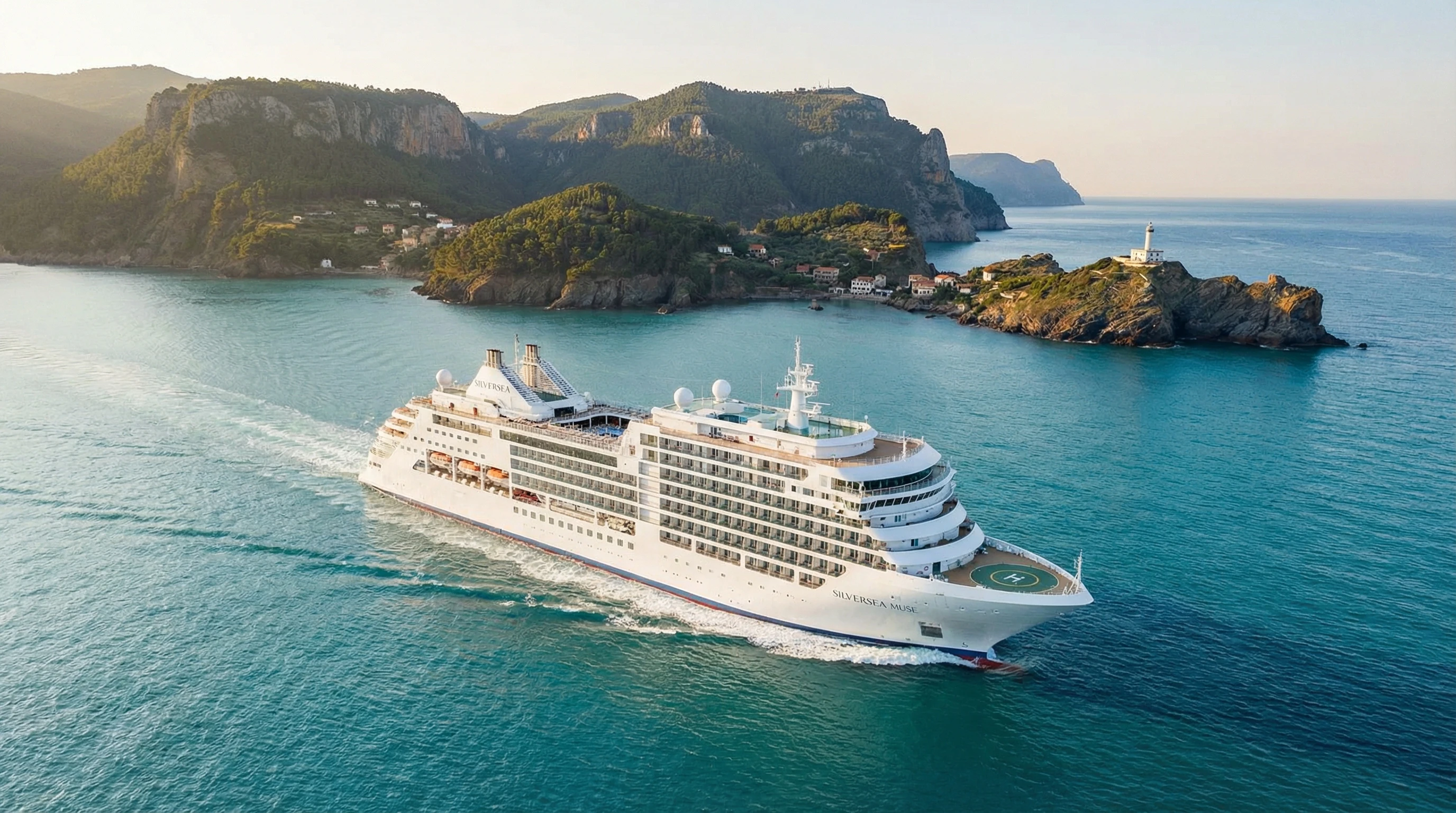
Capturing maritime adventures on video feels like opening a window into a world most people rarely get to experience firsthand.
Whether it’s historic tall ships catching the wind, daring ocean crossings, or everyday life on working vessels, bringing these seafaring feats to life through video takes some know-how, a bit of planning, and a real love for the subject. Over the years, I’ve learned that seafaring filmmaking isn’t just about pointing a camera at boats; it’s about telling stories that make viewers feel the salt spray and the pull of the horizon.

The Allure of Capturing Maritime Adventures
Watching footage of a historic ship or a modernday expedition has a certain thrill you don’t really get with other subjects. Ships carry stories: tales of exploration, innovation, endurance, and even survival. Videos that showcase these experiences help keep maritime history alive and spark curiosity for new generations. When I’m out filming, I think about the people who sailed before satellites and GPS, relying on nothing but the stars and their grit. There’s something really special about preserving those moments through video.
Interest in marine exploration content is definitely growing, with platforms like YouTube, National Geographic, and even smaller travel blogs picking up on the trend. This isn’t just about nostalgia; the technology and challenges involved with marine filming are fascinating all on their own. As more of this content spreads, people are eager to track down the secrets, craftsmanship, and tales hidden in every voyage, whether it’s a research mission, a classic schooner race, or a simple fishing trip passed down through generations.
Getting Ready: What You Need Before Filming at Sea
Filming at sea brings some unique challenges compared to shooting on land. Ocean spray, changing light, and constant motion can make even the best equipped filmmaker rethink their approach. When it comes to capturing maritime adventures, prepping your gear and mindset ahead of time goes a long way.
- Watertight Equipment Cases: Keep cameras and accessories safe from saltwater and rough weather.
- Stabilization Gear: Gimbals or gyro stabilizers help smooth out your footage when the deck is pitching or rolling.
- Weather Protection: Rain covers for cameras and backup towels are a lifesaver when seas get rough.
- Backup Power: Extra, marinesafe power sources mean you won’t lose out on goldenhour shots thanks to a dead battery.
- ND Filters: Bright sunlight reflecting off water can blow out your shots. Filters help manage exposure on sunny days.
- WideAngle and Telephoto Lenses: Wideangle lenses are perfect for capturing full ship profiles and dramatic ocean vistas, while a telephoto lens lets you pick out faroff scenes or wildlife.
Having these basics ready means you can spend more time filming and less time scrambling for a dry lens cloth or a spare battery. Seasoned marine videographers also stash a few extra memory cards and a compact cleaning kit; the salty air can do a number on electronics, so it’s wise to check everything before heading out and again on return.
Seafaring Video Techniques That Actually Work
Once I started recording on boats and ships, a few reliable seafaring video techniques helped me get better results and fewer hours lost to unusable, shaky footage. Here’s what I keep in mind for every shoot:
- Keep the Horizon Level: The horizon is a big compositional anchor in marine shots. Use focus guides or onscreen grid lines to keep it steady, so viewers don’t feel seasick.
- Use Slow, Steady Movements: Fast pans or jerky zooms highlight the ship’s movement in a bad way. I move the camera slowly or use stabilized tripods to counter rocking motion.
- Take Advantage of Natural Light: Early mornings and late afternoons offer dramatic lighting. Adjusting white balance helps avoid that harsh midday glare bouncing off water.
- Capture Audio Carefully: Ocean wind and waves are loud. Using a directional mic with a good windscreen is pretty handy, and don’t forget to record roomtone audio for reference.
- Embrace the Weather: Fog, rain, and storms can add drama. As long as I’m keeping equipment protected, shots taken in shifting weather often end up as the most memorable.
Testing and practice really count out here; so does a willingness to reshoot if the weather doesn’t go your way. Sometimes, I add handheld slowmotion clips, which bring out the power of crashing waves or the grace of a vessel slicing through water. If you want to make scenes pop even more, experiment with colored filters or shoot at different frame rates to match the pace and mood of your footage.
Marine Exploration Video Ideas to Try
There are so many directions you can go when brainstorming for marine exploration video ideas, whether you’re working on a documentary, a short for social media, or just creating a highlight reel from a recent trip. Here are a few types of seafaring feats you should capture for your next video:
- Historic Voyages: Video recreations or modernday sails along historic trade routes. Include periodappropriate details like traditional navigation and sailing maneuvers.
- Onboard Routines: Filming the daily routines of crew members, from sunrise watch shifts to meal prep and nighttime navigation, gives viewers a sense of life at sea.
- Harbor Departures and Arrivals: The choreography of docking and mooring provides lots of action and reveals the relationships between ship and shore.
- OpenWater Challenges: Film sail handling, rough weather tactics, or repairs in progress. These kinds of scenarios show problem solving and the resilience of the crew.
- Marine Wildlife Encounters: Ships mean closeups of dolphins, seabirds, and sometimes whales, all perfect for dynamic visuals. Don’t get so close you disturb wildlife, though; zoom lenses help here.
- Shipboard Technology: Showcase navigation tools, engines, or rigging closeups. Quick explainer shots of old sextants or modern radar can add depth to your story.
Each idea can be tailored to match your audience and the kind of story you want to tell. Even a simple overnight crossing has loads of angles to explore. If you want your video to feel more eye-catching to fans of the genre, try weaving in time-lapse or FPV perspectives to create something nextlevel cool.
How to Film Seafaring Adventures: Step by Step
Getting the best shots at sea isn’t all about technical know-how; you’ve got to be ready to move fast and adapt. Here’s the workflow I’ve found helps most:
- Plan Your Story: Outline the key moments you want to catch, such as anchoring, raising sails, storms, or quiet sunrise scenes. This keeps you focused while circumstances change quickly on the water.
- Assess Safety: Secure yourself and your gear first. A camera is replaceable; personal safety comes first in every shot, every time.
- Scout Locations: Before setting out, talk to the captain or crew about what areas are accessible and safe for filming.
- Test Settings: Do a quick test shoot to dial in your ISO, white balance, frame rate, and stabilization. Conditions change fast, and I find making adjustments early saves headaches later.
- Shoot Wide and Tight: Get wide shots of the whole ship and the sea, but don’t forget closeups of hands on lines, weatherbeaten faces, and the details that tell the real story.
- Record Ambient Sound: The soundtrack of waves, creaking timbers, and wind helps bring ocean footage to life.
- Edit and Sync: Cut your best takes together, syncing video with the best bits of audio, so the view genuinely matches the mood onboard.
This approach keeps you nimble and ready to capture whatever the sea throws your way. If you stumble upon unexpected moments like sudden wildlife appearances or mistakes turned adventures, keep the camera rolling, you just might catch the most memorable parts of your story.
Things That Make Filming at Sea Challenging
Even the best planned shoot can get thrown off course at sea. From personal experience, these are the challenges you’ll probably run into with seafaring video work:
- Saltwater Damage: Salt and electronics don’t mix. Even if the air just feels misty, wiping down your gear and keeping lens caps on between shots is super important.
- Constant Motion: A rolling deck means keeping yourself and your tripod balanced is a real workout. Sometimes I just ditch the tripod and brace myself against a rail instead.
- Limited Shooting Space: Most historic or working ships aren’t huge, and finding a good vantage point without blocking the crew can get tricky.
- Changing Light: Weather at sea can switch up in a minute. I keep my exposure settings flexible and do my best to work with what I get.
- Seasickness: This one sneaks up on even the most seasoned folks. Ginger candies and focusing on the horizon really do help, but don’t be surprised if you need to take breaks.
Saltwater Damage
Salt spray finds its way into every nook and cranny. Watersealing gear isn’t just a good idea, it’s pretty much required if you care about your equipment. Wipe your camera body and lenses regularly, and consider keeping a microfiber cloth tucked in a waterproof pouch for emergencies.
Constant Motion
Video stabilization tools only go so far when the deck lurches. I like to brace my elbows against the side of the ship and time shots with the natural rhythm of the waves. Motion sickness bands are surprisingly helpful for steadier hands, too.
Limited Shooting Space
Ships are busy places. I always talk with the crew before filming to agree on where I can set up and what areas are forbidden. Bringing a small, lightweight tripod instead of a heavy rig lets me fit in where space is tight. Sometimes, it’s all about improvising and making use of small, open spots others overlook.
Changing Light
Clouds, fog, and bright sun can all show up in one afternoon at sea. I’ve found that shooting in LOG or a flat picture profile gives more room to adjust exposure and contrast in post. On top of that, using a simple reflector or an LED panel can help fill in shadows when the sun can’t make up its mind.
Seasickness
Honestly, prevention works better than cure. Staying hydrated, snacking regularly, and resting your eyes when you can help you keep your focus on filming instead of fighting nausea. If you find yourself queasy, try stepping outside, taking deep breaths, or even just closing your eyes for a few minutes to reset.
Most of these challenges are just part of the ride, but with prep and some endurance, they really don’t have to hold you back. Every shoot gets a little easier with experience, especially as you build up confidence and know what to expect the next time you set sail.
Cool Features and Techniques That Make Seafaring Videos Pop
Adding a few extra filmmaking tricks can turn good maritime footage into something unforgettable. There are a handful of things I find super useful out on the water:
- TimeLapse of Sails and Skies: Shooting a timelapse of sails being set against a backdrop of gathering clouds makes for gorgeous, dramatic footage that really tells the story of the sea.
- 360Degree Action Cameras: Extreme wide angles let you capture the full context of what’s happening, especially dramatic during maneuvers or weather changes.
- Drones and Aerials: Launching a drone from a steady ship or from a dinghy offers epic perspectives that just aren’t possible from deck level. Always check local regulations first, since some historical ports and marine sanctuaries have drone restrictions.
- GoPro POVs: Crew mounted GoPros show exactly what sailors see and do, making for really immersive videos without needing big, complicated rigs.
If you’re working a more documentary angle, including interviews with crew or expedition leaders is a great way to ground your videos with context and personality. Pair these visual techniques with background music and sound effects to craft a sensory experience that will transport your viewers right onboard, even if they’re watching from their living room.
Seafaring Filmmaking Guide: FAQs for New Marine Videographers
I get a lot of questions from folks looking to get started with seafaring video projects. Here are a few of the most common ones, straight from my own experience:
Question: What’s the best way to start filming seafaring adventures if I’m new?
Answer: Join a local sailing club or historic ship program; they’re often looking for volunteers, and you’ll get access you can’t buy. Practice with a waterproof action camera before investing in bigger gear. Don’t be afraid to ask experienced sailors questions, as they often have great tips on where to shoot and how to keep safe.
Question: Any tips for keeping video footage stable aboard a moving ship?
Answer: Use a gimbal, keep your body steady, and record short clips so you’re less likely to pick up the ship’s motion. Some smartphones with builtin stabilization also do surprisingly well, so don’t worry if you’re starting with simple gear.
Question: How can I make my seafaring videos stand out?
Answer: Find unique perspectives; film from the bowsprit, climb the rigging (if it’s allowed and safe), and focus on sounds and details like ropes creaking or water slapping the hull. Use creative editing and eye catching shots to make your content the kind of nextlevel cool that people love to watch.
Question: Are there any legal or safety concerns I need to know about?
Answer: Besides the obvious (don’t put yourself or others in danger), check drone regulations, marine park filming permits, and always listen to the crew’s directions. On historic vessels, there are sometimes extra insurance or filming permissions you’ll need to sort out first. Always budget extra time for approvals, being patient and respectful makes you welcome for future projects.
Best Practices for Seafaring Videos: My Top Tips
Looking back at the shoots I’ve done, there are a few best practices for seafaring videos that always help me get better footage and have a smoother experience overall:
- Prep your gear with rain covers, desiccant packs, and lens wipes before you even board. Check everything twice, you don’t want surprises out there.
- Talk to the captain early to outline your shooting plans and what you’ll need. Clear communication helps the whole team work together safely.
- Back up footage the first chance you get; water and electronics make for nervous bedfellows. Transferring files right after shooting cuts risk of loss.
- Shoot more stabilized “Broll” than you think you’ll need; editing options are super helpful later on and can save your whole video if primary shots are wobbly.
- Never get in the way of the crew; their safety routines are the priority. Give them space, ask permission, and offer to share your footage if they want a copy.
Other solid habits: wear non slip shoes, pack a hat and sunscreen, and doublecheck your insurance coverage for gear and liability. The more thorough your prep, the more fun you’ll have on location and the better your results.
Final Thoughts: Why Recording Seafaring Feats Matters
The stories hidden in historic and modern seafaring are worth sharing, whether you’re out on a research vessel, following a regatta, or exploring old harbors for the first time. With so many ways to bring these moments to life on camera, there’s more space than ever to turn ocean adventures into videos that inspire others to learn, explore, and protect the marine world. Every shot you take builds a bigger archive for future generations, and along the way, you’ll pick up a ton of skills that carry over to all kinds of filmmaking projects, on land or off.
Grab your camera, check your battery, and get ready to film the stories that make the ocean come alive!